
Roll-Off Dumpster Materials Guide: What You Can and Cannot Dispose Of
- Casey Bierman
- Jun 26
- 3 min read

When you rent a roll-off dumpster, knowing what materials you can put inside is crucial. It helps you avoid extra fees, delays, or even legal trouble. I want to share a clear, simple guide to the allowed materials for roll-off dumpsters. This guide will help you plan your cleanup or construction project with confidence.
Understanding the Roll-Off Dumpster Materials Guide
Roll-off dumpsters are designed to handle a wide range of waste types. However, not all materials are accepted. The rules depend on safety, environmental concerns, and local regulations. Knowing the allowed materials upfront saves time and money.
Typically, roll-off dumpsters accept:
Household trash
Construction debris
Yard waste
Furniture and appliances (with some restrictions)
Metal scraps
Cardboard and paper
Each dumpster rental company may have specific rules, but these categories are generally accepted. It’s important to separate your waste properly before loading the dumpster.

Common Allowed Materials
Here are some common materials you can put in a roll-off dumpster:
Wood: Clean wood, pallets, and lumber are usually accepted. Avoid treated or painted wood unless the company allows it.
Concrete and Brick: Broken concrete, bricks, and stones are accepted in most cases.
Metal: Scrap metal, pipes, and old appliances without hazardous parts.
Household Trash: Everyday garbage, packaging, and non-hazardous waste.
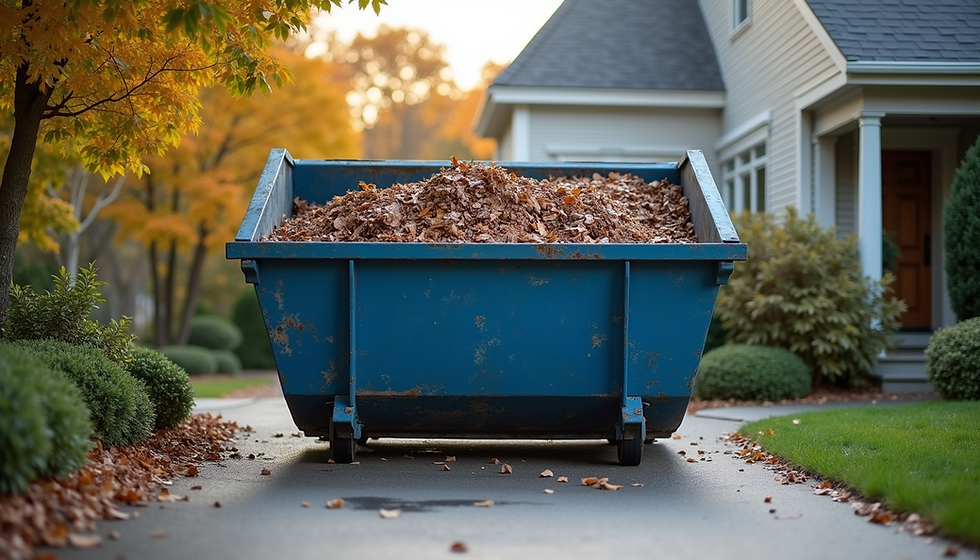
Yard Waste: Branches, leaves, grass clippings, and other organic debris.
Furniture: Old couches, tables, and chairs, but check for restrictions on mattresses or upholstered items.
If you want to know more about what can you put in a roll off dumpster, this link provides detailed information.
What Items Should Never Be Thrown Away?
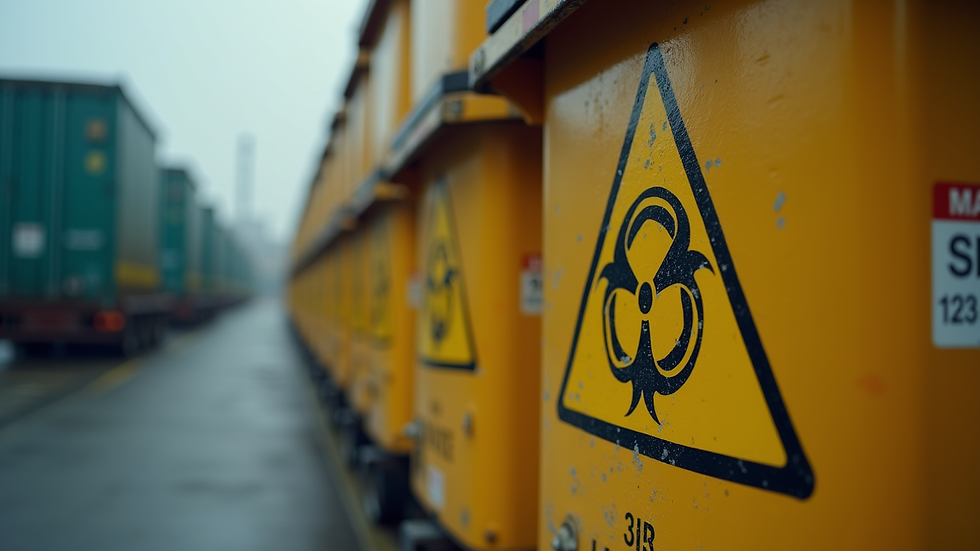
Some materials are strictly prohibited in roll-off dumpsters. These items can be dangerous, toxic, or require special disposal methods. Avoid putting these in your dumpster to prevent fines or health risks.
Common Prohibited Items
Hazardous Waste: Paints, solvents, pesticides, and chemicals.
Batteries: Car batteries and household batteries contain harmful acids.
Electronics: TVs, computers, and other e-waste need special recycling.
Asbestos: Requires professional removal and disposal.
Tires: Usually banned due to recycling rules.
Fluorescent Bulbs: Contain mercury and need special handling.
Medical Waste: Needles, pharmaceuticals, and biohazards.
Large Appliances with Refrigerants: Refrigerators and air conditioners must be handled carefully.
If you have any of these items, contact your dumpster provider or local waste management for proper disposal options.
How to Prepare Materials for Your Roll-Off Dumpster
Proper preparation helps you maximize space and avoid problems. Here are some tips to get your materials ready:
Sort Your Waste: Separate recyclables, yard waste, and trash.
Break Down Large Items: Disassemble furniture and flatten boxes.
Bundle Yard Waste: Tie branches and brush into manageable bundles.
Avoid Overloading: Do not fill the dumpster above the sides.
Keep Hazardous Materials Separate: Arrange for special disposal.
Following these steps makes your cleanup smoother and safer.
Tips for Choosing the Right Roll-Off Dumpster Size
Choosing the right dumpster size depends on the type and amount of waste you have. Here are some common sizes and their uses:
10-yard dumpster: Small cleanups, garage or basement cleanouts.
20-yard dumpster: Medium projects like roofing or small renovations.
30-yard dumpster: Larger construction or demolition projects.
40-yard dumpster: Major construction or large-scale cleanouts.
Estimate your waste volume carefully. Renting a dumpster that is too small means extra trips and fees. Too large, and you pay for unused space.
Making Waste Removal Stress-Free
Renting a roll-off dumpster should be easy and worry-free. Clear communication with your rental company is key. Confirm delivery times, pickup schedules, and any restrictions on materials.
Always ask questions if you are unsure about what can go in the dumpster. This helps avoid surprises and keeps your project on track.
By following this roll-off dumpster materials guide, you can handle your waste efficiently and responsibly. Whether you are cleaning out your home, managing a construction site, or handling business waste, knowing the allowed materials makes all the difference.
Remember, proper waste disposal protects the environment and your community. Use your roll-off dumpster wisely and enjoy a cleaner, safer space.
If you want to learn more about what can you put in a roll off dumpster, check out the detailed guide available online. It’s a great resource for planning your next project.


Comments