
Determining the Best Dumpster Size for Your Roof - Roofing Dumpster Size Tips
- Casey Bierman
- Apr 16
- 4 min read

When you start a roofing project, one of the first questions you face is how to handle the debris. Roofing jobs create a lot of waste, from old shingles to nails and wood scraps. Choosing the right dumpster size is key to keeping your site clean and your project on track. Picking the wrong size can cause delays, extra costs, or even safety hazards. I want to help you find the best dumpster size for your roof with clear, simple advice.
Roofing Dumpster Size Tips You Can Trust
Roofing dumpster size tips are essential for a smooth cleanup. The size you need depends on the scope of your project. Are you doing a small repair or a full roof replacement? The amount of debris will vary greatly. For small repairs, a 10-yard dumpster might be enough. For larger jobs, you may need a 20-yard or even 30-yard dumpster.
Here are some quick tips to keep in mind:
Estimate debris volume: Think about how much old roofing material you will remove.
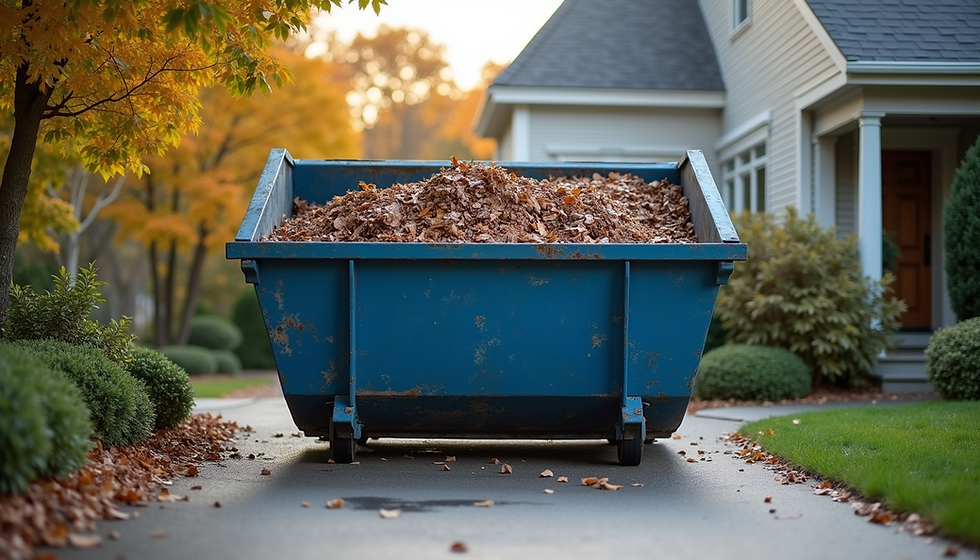
Consider dumpster dimensions: A 10-yard dumpster is about 12 feet long, 8 feet wide, and 3.5 feet tall.
Plan for extra space: It’s better to have a little extra room than to overfill the dumpster.
Check local regulations: Some areas have rules about dumpster placement and size.
Using these tips will help you avoid common mistakes and keep your project running smoothly.

How Big of a Dumpster for a Roof?
Knowing how big of a dumpster for a roof depends on the size of your roof and the type of materials you are removing. Here’s a simple guide:
Small roof repairs: 10-yard dumpster. Good for minor fixes or patch jobs.
Medium roof replacement: 20-yard dumpster. Fits most average-sized homes.
Large roof replacement or commercial roofs: 30-yard dumpster or larger. Handles heavy debris and large volumes.
For example, a typical 1,500 to 2,000 square foot roof replacement usually fits well in a 20-yard dumpster. If your roof is larger or you expect a lot of heavy materials like slate or tile, consider a bigger dumpster.
Remember, roofing debris is often bulky but not very dense. This means you might fill the dumpster by volume before reaching weight limits. Always check with your dumpster provider about weight restrictions.
Factors That Affect Dumpster Size Choice
Several factors influence the dumpster size you need for roofing debris. Here are the main ones:
Roof size: Larger roofs produce more waste.
Roof type: Asphalt shingles, metal, tile, or slate all have different weights and volumes.
Project scope: Full replacement vs. partial repair.
Debris type: Some materials take up more space.
Disposal regulations: Some materials require special handling.
For example, if you are removing heavy slate tiles, you might need a smaller dumpster with a higher weight limit. On the other hand, asphalt shingles are lighter but bulky, so volume matters more.
How to Estimate Dumpster Size for Your Roofing Project
Estimating the right dumpster size can feel tricky, but it doesn’t have to be. Here’s a simple step-by-step method:
Measure your roof area: Length x width = total square feet.
Determine the number of layers: Are you removing one or multiple layers of shingles?
Calculate debris volume: Roofing debris volume is roughly 1 cubic yard per 100 square feet of roof area for one layer.
Add extra space: Add 10-20% more volume for safety.
Choose dumpster size: Match your volume estimate to dumpster sizes (10, 20, 30 yards).
For example, a 1,200 square foot roof with one layer of shingles will produce about 12 cubic yards of debris. Adding 20% extra means you need about 14.4 cubic yards. A 20-yard dumpster would be a good fit.
If you want to learn more about what size dumpster do i need for a roof, this link offers detailed guidance.

Tips for Dumpster Placement and Use During Roofing
Choosing the right dumpster size is only part of the job. Proper placement and use are just as important. Here are some tips:
Place the dumpster close to the roof: This reduces the distance for carrying debris.
Check for overhead wires and obstacles: Make sure the dumpster can be safely placed.
Protect your driveway or lawn: Use plywood or mats under the dumpster to prevent damage.
Communicate with your dumpster provider: Confirm delivery and pickup times.
Avoid overfilling: Overfilled dumpsters can be unsafe and may incur extra fees.
Following these tips will keep your roofing project safe and efficient.
Final Thoughts on Roofing Dumpster Size
Choosing the right dumpster size for your roofing project is crucial. It saves time, money, and stress. Use the roofing dumpster size tips above to estimate your needs. Remember to consider roof size, material type, and project scope. Plan for a little extra space to avoid surprises.
If you keep these points in mind, your roofing debris removal will be smooth and hassle-free. A well-sized dumpster helps you focus on the job, not the mess.
For reliable dumpster rental service in Tulsa and nearby areas, clear communication and on-time delivery make all the difference. Make your roofing cleanup easy by planning your dumpster size carefully.
Thank you for reading! I hope these tips help you find the perfect dumpster size for your roofing project.

Comments